Fence Installers Melbourne: Fence Repair Works and Substitute Providers
If you've ever before tried to appreciate a backyard while looking at an unsteady paling, a leaning paling fence article, or a gate that drags throughout the ground, you already comprehend why fencing job is never simply "a project". A fencing is safety, personal privacy, and day-to-day ease, all rolled right into timber, steel, concrete, or wire. When it falls short, it stops working at one of the most inconvenient times, typically appropriate prior to a weekend event or when you have site visitors coming over.
In Melbourne, the climate does a number on fencings. Summer warm can draw hardwood apart, winter season dampness saturates it via, and those shifts can turn a strong fence into something that looks worn out and allows visibility creep in. That's where Fence installers Melbourne and neighborhood fence professionals make their keep, whether the job is a fence installer doing fixings, or a fencing installer Melbourne changing areas that have reached completion of their valuable life.
Below is what I've learned the hard way, watching fencings go from "great" to "not fine", and just how good fence fixing and replacement solutions commonly manage the actual concerns underneath the surface.
When a "fast repair" is actually a trap
People call fence installers for apparent problems: a gate latch that won't catch, a panel that dropped laterally, a side fence that's went away behind twisted vines. Those are the headlines.
The underlying tale is normally structural.
A paling might be loose since the article is moving. The blog post may be shifting because the ground is falling short, the concrete border has actually split, or the ground has actually softened after water drainage changes. In some cases, the fence is bowing since it was installed slightly out of square and the lumber has actually slowly worked itself even worse gradually. On other tasks, it's the contrary, the fencing looks crooked just due to the fact that adjoining fences or limit functions have actually affected the line of view and not because the fence is really out of alignment.
If you just replace the fallen section without checking the blog posts and the mendings, you often pay once more. The new timber ends up doing the very same job as the old wood: taking in movement and stress. It looks fine for a while, after that you notice the very same void, the very same wobble, the same sound when wind hits.
A decent fencing installer does greater than swap components. They check out the fencing as a system, not a set of private boards.
The Melbourne truth: why fences age in a different way here
Timber fences in Melbourne tend to experience 2 major wear patterns.
First, dampness cycles. Lumber swells when it's damp, then reduces when it dries out. That movement can loosen fasteners and develop noticeable spaces. If the fencing is near sprinklers, downpipes, or a low spot where water accumulates, the biking gets even more intense.
Second, wind lots and effect. Melbourne can swing from moderate to gusty swiftly. A fencing line that's a little weak or poorly supported can start to rack, which is the technical word for the fencing moving like a parallelogram under force. As soon as racking beginnings, the damage usually accelerates. A post that was "only" leaning a few millimetres comes to be a larger problem due to the fact that it's no more standing up to wind in the method it was created to.
Metal fences, specifically where they're powder-coated or galvanised, have a tendency to show different issues. Layer damages discloses the base steel. Corrosion can start under a fitting, after that sneak out invisibly prior to it ends up being apparent. If the fencing has been hit by a lawn mower, a trailer, or a vehicle, bent rails can also misalign gateway equipment so the whole system battles itself.
That's why fence installer tasks in Melbourne are usually not one-size-fits-all. A fence installer Melbourne may be experts in timber repair work, while another staff might be more powerful with metal secure fencing systems, but the best results originate from whoever can detect effectively and match the solution to the failure mode.
Fence repair work: the minute you must call sooner
There's a minute most individuals discover first, the "something's most definitely wrong" moment. For some, it's the first missing paling. For others, it's when eviction quits shutting cleanly.
My rule of thumb is simple: if the fence moves when you press it by hand, call a fence installer before it moves enough to require replacement. Movement is typically an indicator the messages, dealings with, or footings are battling, and those are harder to correct later.
Here's an instance that comes up more frequently than you 'd think. I once aided a neighbour who claimed, "It's just a few boards." When we looked correctly, the boards weren't the trouble, the article spacing and the anchoring were. The fence had been set up in a way that left much less support than needed for that period. Over time, the hardwood bowed, the boards loosened, and afterwards water entered into the bolt holes. Once water discovers a weak point, the damage tends to snowball.
The takeaway: the earlier you fix the architectural issue, the cheaper the fence fixings typically are.
What to expect from a proper on-site assessment
A great fencing repair work or substitute task begins with a mindful look, not a fast quote based upon images alone.
Most fence installer specialists will check the evident things, then go a layer deeper.
They'll check out the posts initially. Are they strong, or do they change if they're pushed? Are there signs of rot around the base? Is there concrete that's fractured or divided from the wood article? Exist spaces where the fencing line fulfills the ground, and is water sitting against the posts?
Then they'll look at the mounting members and the joinery. Wood fences often fall short at the rails. Bed rails can twist, fasteners can loosen up, and once rails move, every board loses its alignment.
For gates, they'll inspect the joints and the method the gate rests relative to the framework. A gateway that drags could be out of square, not simply "sagging". Sagging can take place when the blog post footing shifts. Out-of-square can happen when eviction structure was set up without appropriate placement. Both feel like a "gate trouble", yet the repair work are different.
If you're taking care of fencing installers Melbourne particularly, remember regional teams normally know just how to function around typical website issues like uneven ground and drain paths. Still, you want somebody that explains what's causing the problem, not simply what they'll replace.
Common fencing damage we see (and what it actually indicates)
Fence damages can be found in patterns. The pattern usually informs you what's driving it.
A fence that has a few damaged boards yet or else stays directly usually requires partial repair work, maybe substitute of details battens or rails. A fence that's bowing, with multiple loosened areas, generally signifies a post or footing failing. A gateway that will not shut efficiently typically indicates pivot or mount positioning, often integrated with post movement.
Rain can expose surprise issues. After hefty rain, you may observe the fencing line looks damp even where it shouldn't, or you might see new spaces show up. That often happens due to the fact that hardwood swells and the fasteners loosen slightly. If you just change a board without dealing with the underlying loosening, the problem returns.
Also, do not take too lightly the damages caused by greenery. Vines and heavy hedges can hold dampness against the fence face, catch debris at the base, and include wind resistance where the fence ought to have air flow. I've seen "mystical rot" that was really plant contact plus constant dampness.
What decisions matter most for repairs versus replacement
The large inquiry for any type of owner is whether to repair or change. There's no single solution, however specific signals make the telephone call clearer.
When repairs are typically the much better path: The damage is localized. Posts are still sound. The fencing line is mainly straight. A few rails or boards have actually stopped working. The cost remains manageable and the framework has plenty of life left.
When replacement starts to make sense: Multiple posts are endangered, grounds are failing, or the fence has extensive racking. If the fencing is so out of placement that every attempted modification would be momentary, substitute typically sets you back much less in the long run. Replacement additionally becomes the sensible alternative when you desire an upgraded design, stronger product, or a fence that matches brand-new boundaries and landscaping decisions.
If you've already spent for a repair once and you're seeing the very same failure elsewhere, treat that as a hint. Either the original issue was missed out on, or the fence has a more comprehensive architectural weakness.
A fast pre-booking checklist (so you do not lose a site browse through)
Before a fence installer appears, it aids to gather your ideas and take a few sensible notes. This isn't about being excessively technical, it's about decreasing back-and-forth.
- Note the exact issue location, for instance "side entrance sticks near the driveway" or "fence bows between span".
- Check whether the fence steps by hand, delicately pushing at barrier elevation and observing if a blog post shifts.
- Identify close-by water sources like downpipes, lawn sprinklers, or drainage lines that maintain the fence base wet.
- Take a couple of clear photos from the street line, the yard side, and close-up at the post bases and hinges.
- Think concerning what you want to maintain, if anything, like existing posts, a gateway structure, or a matching style.
This small initiative can accelerate the assessment and aids fence installers Melbourne quote accurately.
How repair work are usually done, step by step
Repair methods differ by fencing kind, yet good workmanship follows a regular logic: secure first, then reconstruct what matters.
On a lumber paling fencing, that frequently implies inspecting messages and rails before swapping boards. If a blog post has actually softened at the base, it's usually not a "change the board" solution. You may require to re-set the article effectively, occasionally getting rid of old concrete and restoring the footing.
For hinges and gateways, the approach depends upon what's relocated. A joint can be replaced, but if the frame is twisted or the message has actually wandered, just swapping hardware frequently does not last. In those situations, straightening the gate framework and adjusting the joint setting is part of the task, not an afterthought.
For metal fence, repair can suggest changing bent rails, straightening areas, renewing bolts, and resolving corrosion points properly so they don't spread. A typical error I've seen is surface-level patching without getting rid of impacted metal or dealing with the underlying corrosion.
Fence installers who do this work routinely often tend to relocate carefully. They'll support or sustain the fence during job, line up areas before taking care of off, and make sure the dealings with are ideal for the material.
If you're curious regarding what a typical fencing repair day can include, the list below gives a realistic snapshot.
- Replacing fell short rails or battens and securing them with the ideal dealings with for hardwood or metal.
- Re-seating or replacing posts where footing or base rot is present.
- Adjusting gate frames, pivot settings, and locks so eviction operates smoothly.
- Replacing panels and matching existing styles, spacing, and height as closely as possible.
- Treating or addressing corrosion, rot-prone points, and drain concerns that will affect durability.
That isn't every circumstance, yet it's the core of what most repair jobs condense to.
Materials and designs: what you get when you replace
Repairs can be the most inexpensive choice today, but substitute can be the smartest option for efficiency and durability, especially when a fencing is nearing the end of its architectural life.
When property owners change, they often do it for a few reasons: They desire better privacy, a neater appearance, or a stronger fence line for family pets and youngsters. They desire much less ongoing upkeep, especially with materials that withstand weathering. They desire a gate upgrade so it closes properly again.
Material choice likewise relies on the appearance you want and how much time you want to spend preserving it.
Timber fences can look natural and sit well in Melbourne yards. The trade-off is that they need suitable therapy, correct spacing, and fasteners that won't fall short too early. If you do fix or substitute with wood, ask what therapy is being used and whether the base is being shielded from constant moisture.
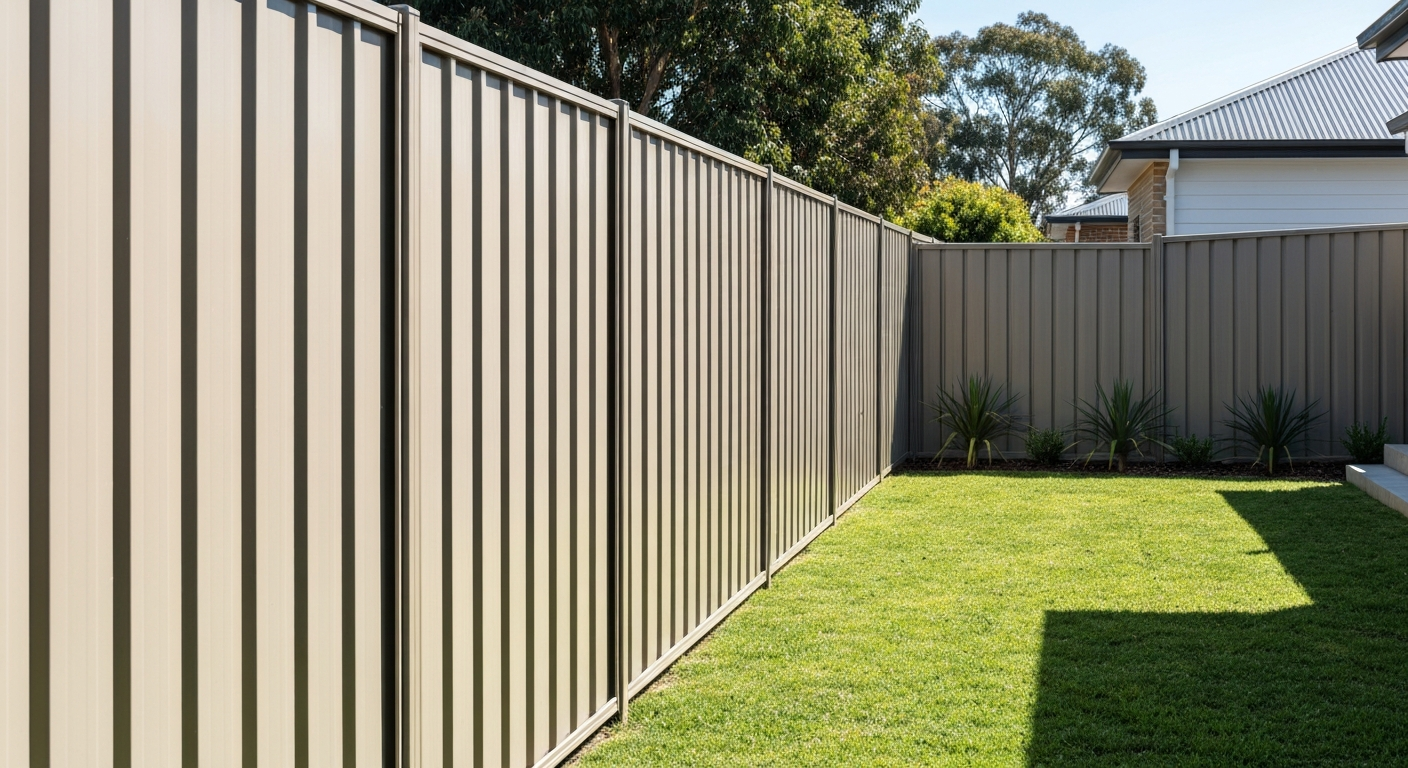
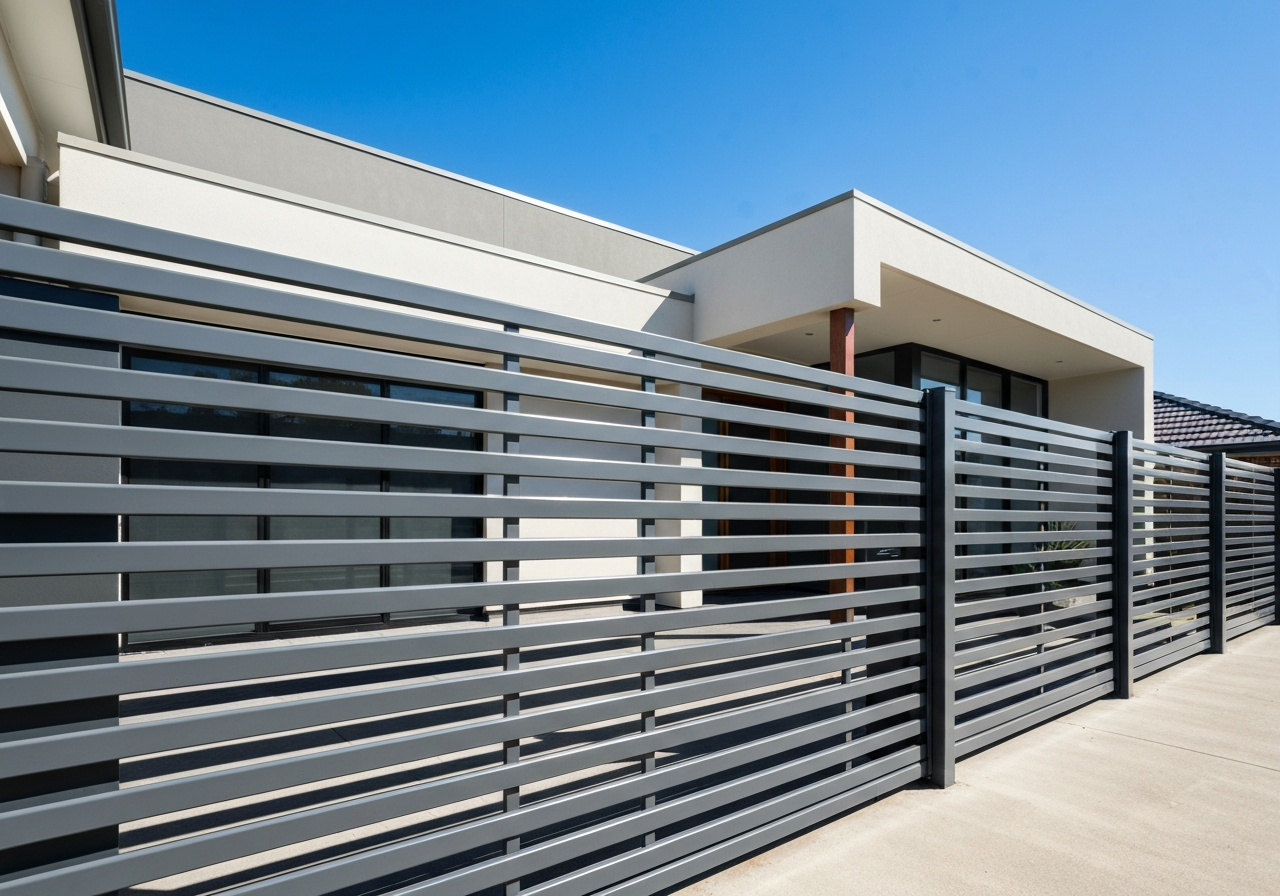
Metal secure fencing is frequently a good choice if you want resilience and much less difficulty. The compromise is that metal can look harsher otherwise paired attentively, and it can be noisier in wind. Likewise, layers matter. If the covering is compromised early, rust can end up being a reoccuring headache.
There are additionally blended strategies. Some residential or commercial properties keep existing rails and posts while changing infill areas, particularly when the framework is still audio. The most effective fence installer can inform you when a hybrid strategy deserves it, and when it simply comes to be a costly midway step.
Costs: why quotes differ so much
People ask about prices, and it's reasonable. Yet expense swings based upon details many people don't believe to mention.
The size of the fence run issues, however the kind of fence issues just as much. A paling fencing with simple accessibility is various from a replacement that needs to function around paths, paving sides, fully grown plants, high slopes, or a driveway. Gate job adds work because hinges and alignment take time.
Then there's the architectural reality. If a fence installer locates numerous compromised articles throughout the website check out, pricing changes since substitute extends beyond simply the visible boards. That's why images can just tell part of the story.
Finally, there's the concern of disposal and waste. Even if the new fence is installed nicely, the old products still need elimination, and disposal logistics can influence the final cost.
If you want a quote you can trust, you'll get even more value from asking what's included as opposed to chasing the lowest number. Ask whether the quote covers blog post replacements if required, whether concrete removal is included, and whether gate adjustments belong to the scope.
Edge cases that create hold-ups and surprises
Fence work rarely occur in an excellent bubble. Here are a couple of situations that generally impact timelines and outcomes.
If ground is irregular, fence installers Melbourne typically require to change message elevations and panel spacing to keep the fence looking straight. That's not a problem, it belongs to great handiwork. The incorrect approach makes it look untidy, even when the framework is sturdy.
Another surprise is hidden rot. A message can look fine over ground but be compromised at the base. In those cases, repair work can become article replacement. That's why a correct analysis includes close evaluation around grounds and fasteners.
Tree origins are one more real-world difficulty. They can push against footings, particularly in time, changing posts and rails. If you have big trees near a limit line, mention it up front.
And after that there are accessibility restraints. If a fencing leaves a limited side path, distribution, devices, and risk-free dealing with entered into the work. A quote needs to reflect that fact, not assume whatever is easy.
Repairing a fence versus changing it: an easy choice lens
Here's exactly how I would certainly frame the decision when a client asks "Which one should I do?"
If your fencing has actually a few isolated failures and the overall framework is still stable, repairs normally make good sense. If you can recognize that the problem is limited to boards, rails, or an entrance joint, you're most likely not tossing lumber fencing money away.
If you're managing repeated failures, prevalent wobbling, several compromised articles, or a fence that's clearly out of positioning, replacement often tends to be the cleaner end point. You're investing once, then enjoying the fence without consistent rework.
The best fence installer guidance is typically honest regarding the life expectancy remaining. A good expert can tell you, "Yes, we can fix this currently," yet also describe what you could see down the track if the underlying problem remains.
What it looks like after the job, and just how to keep it that way
Once a fence repair or replacement is done properly, you need to discover a few points quickly. The fencing needs to feel solid when you press the fence line gently. Panels should rest lined up without obvious voids changing throughout the run. A gate should close efficiently and stay in location without requiring consistent adjustments.
Maintenance is still worth doing, despite having quality installation.
For hardwood, watch on very early indications of wetness issues around the base. If you have lawn sprinklers, guarantee they aren't regularly striking the fence line. Regular look for loose bolts can stop small concerns becoming larger rot problems.
For metal fences, watch for coating damage and deal with rust points early. Metal can corrode quietly where water rests and where paint has actually chipped. If you identify bubbling or flaking near a suitable, it's often cheaper to resolve it early than after corrosion spreads.
The best part is that a well-installed fencing makes upkeep less complicated. You're not battling a warped, shifting structure. Every little thing remains available, straightened, and simpler to maintain in great condition.
Choosing a fence installer Melbourne design (without overthinking it)
You do not need to employ someone with the flashiest site. You require somebody that interacts plainly, evaluates appropriately, and supplies services that make sense for your site.
Look for signs like: They explain the likely cause of the issue, not just the signs and symptom. They clarify what they'll do if they discover extra damages when the old section is eliminated. They talk about alignment and structural stability, specifically for entrances. They match products where feasible, or discuss why a complete substitute is much more practical.
That last point issues. Occasionally fence installer tasks do well since they match the existing style. Other times they prosper due to the fact that they recommend an update. Either can be right, however just if the choice is based in what's actually wrong.
If you're comparing fencing installers, ask whether they do both fixing and substitute. A group that can handle repair work and also understands when replacement is the smarter step is frequently extra balanced than a team that just does one kind of work. You'll still spend for the right job, yet you'll normally prevent the wrong work.
The sensible bottom line
A fence is one of those things you do not totally value until it starts failing. Then it comes to be noticeable, promptly, that a fencing is part of your home's protection, convenience, and daily routine.
Fence repair work are usually the most effective choice when the framework is audio and the damage is regional. Fence substitute tends to win when the architectural concerns prevail, the fence is racked or out of alignment, or duplicated failures suggest deeper issues in messages or footings.
Either way, the solution quality boils down to medical diagnosis, positioning, proper mendings, and a clear scope. A proficient Fence installer Melbourne approach focuses on what will certainly last in Melbourne's climate, not simply what will certainly look helpful for a brief time.
If you're intending a repair work or replacement, don't wait until the fencing is leaning considerably or eviction is completely pointless. Reserve an analysis while the problem is still convenient. That's when a fence installer can do one of the most with the least disturbance, and you get back to enjoying your backyard instead of managing a relocating boundary line.